 Chat to a clinician
 Find a centre
 Emergency assistance
 Donate now

Relationships come in many forms: romantic connections, friendships, queerplatonic partnerships, online or long-distance relationships, and everything in between. These bonds can shape how we feel supported, understood, and connected. While we often think of breakups as romantic, endings can happen in any kind of relationship — and they can impact us just as deeply.
Whatever your relationship looked like, and whatever the reason for the ending, breakups can bring up a lot of feelings — and your emotions are valid.
Breakups and big feelings
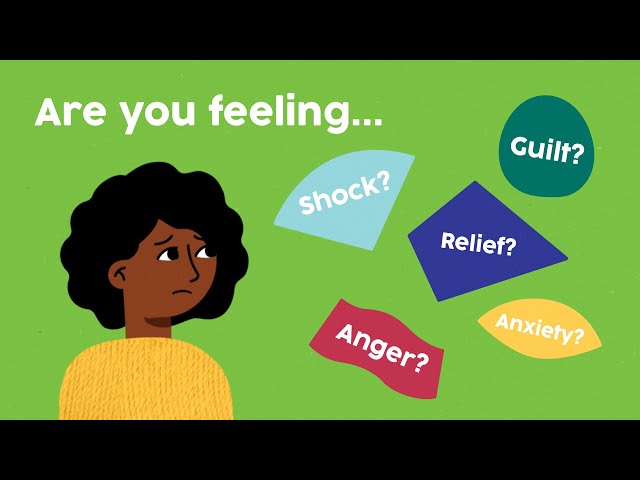
Breakups can stir up lots of feelings; sadness, anger, relief, confusion, loneliness, guilt, or perhaps hope. Some people feel embarrassed, ashamed, or completely numb — all of these responses are normal. There’s no “right” way to feel after a relationship ends. Everyone moves through this in their own time, and what matters most is giving yourself space to notice what’s coming up without judging it.
Sometimes breakups feel more complicated for reasons beyond the relationship itself. You might feel responsible for keeping harmony or protecting someone’s feelings. You might worry about how friends, family, Elders, or community members will react, or feel pressure to “get over it” quickly. These layers can make a breakup feel heavier or more confusing, even when ending the relationship was the right choice.
It’s okay to have mixed emotions — that’s part of being human, connected, and shaped by the people and places we belong to. What matters is how we care for ourselves through it.
Caring for yourself after a breakup
Caring for yourself after a relationship ends is important, even if you knew the relationship needed to end.
Give yourself space. You don’t need to shut the person out forever, but limiting contact for a while — including online — can help you adjust, gain clarity, and refocus on yourself.
Keep busy with grounding things. Quiet moments can feel harder after a breakup. Activities that bring joy or connect you to culture, faith, community, or identity can be especially supportive.
Practice self-care. Small things make a difference: watching a favourite show, music, being on Country or in nature, doing art or sport, or anything creative. These moments remind you of who you are outside the relationship.
Talk to supportive people. Sharing with trusted friends, family, or Elders can ease emotional pain. Feeling seen by people who understand your cultural, relational, or identity context can make a big difference.
Allow time. Healing is not linear. Some days will feel okay, others won’t.
Look after your body. Nourishing food, rest, and movement that feels good can support emotional recovery more than many people realise.
Rest is valid. Healing isn’t about productivity — small steps, rest, and getting through the day are important ways of caring for yourself.
Self-care won’t look the same for everyone. Your culture, identity, neurodiversity, capacity, and circumstances shape what care feels like, and your needs may shift day to day. Let yourself be guided by what feels supportive for you.
Showing up for yourself in little ways, whatever that looks like for you, can make a big difference.
Friendship breakups
Friendships can be some of the most meaningful and stable relationships in our lives, sometimes deeper or longer lasting than romantic ones. Because of this, when a friendship drifts or ends, the experience can be painful and confusing, and people don’t always talk about it.
Friendships can end for many reasons: life transitions, shifting social circles, or realising your values or expectations no longer align. These changes are often outside your control and sometimes just part of growing through different stages of life.
The emotions after a friendship breakup — grief, shame, anger, confusion, relief — are just as real and important as those after any romantic breakup. Be kind to yourself. Reflecting on what you learned or valued can help when you’re ready — and if you’re not ready, that’s okay too.
“Some friendships have faded out of my life. It was hard at the time but eventually I realised it wasn’t because I did something wrong. People grow, routines change, and sometimes the things that kept us close are no longer there. What helped me was remembering that not every person is meant to stay for every chapter. Some friends were exactly who I needed in that season of my life, and I still value that. With time, I’ve met new people who support me in different ways, and that has shown me that connection doesn’t end just because one friendship changes.” Usha (22)
“I haven’t kept in touch with a single friend from high school and that has been very hard to admit at times… But it was only by letting go of the peer influences that were serving negativity that allowed me to fly free at university. Now I live happily in the company of people who bring me joy and gratitude- people I might never have met without those earlier friendship breakups.” Mahir (19)
Finding closure
Finding closure after a breakup isn’t always easy, but it can help you move forward. “Closure” usually means reaching a sense of emotional understanding or acceptance about the relationship ending. It’s less about getting all the answers from the other person and more about reaching a point where the situation feels settled enough inside yourself to take the next steps.
Some truths to hold on to...
-
Your emotions won’t always feel this strong. Time softens intensity.
-
Ending a relationship can still hurt, even if it was your choice.
-
Being broken up with doesn’t mean you’re “not enough”.
-
Respect boundaries — yours and theirs. Giving each other the time and space to recover.
-
Express emotions in ways that feel right for you: journaling, art, movement, talking.
-
Try not to compare yourself to others. Everyone heals differently.
-
It’s okay not to know exactly why the relationship ended.
-
Look for learning: What you value, what you want in future connections, and what helps you feel safe and respected.
Not everyone will feel a clear sense of closure, especially if the ending was sudden, confusing, or lacked communication. Many young people describe carrying unanswered questions or uncertainty for a long time.
Family, culture, and community spaces can also shape closure. For young people from collectivist or tight-knit communities, closure might involve thinking about family expectations, shared social spaces, or still seeing the person at school, work, or community events.
While seeking closure can be a part of healing, closure is not a milestone or requirement for this to happen. Some people move forward without a defined moment of “acceptance”, while others find meaning gradually. Closure can be a slow, uneven, or ongoing process because every individual and relationship is different.
“There were moments when I kept replaying everything in my head, trying to understand why the relationship ended… What helped was realising I could keep going even without all the answers. With time, some of it slowly made sense… Letting it end created space for things that supported me more in the long run.” - Usha (22)
“It’s hard. It’s not supposed to be easy to move on from people you laughed, hugged, and cried with for years. Closure for me came through self-awareness, reflection on my actions and theirs, and seeking feedback from other close friends.” - Mahir (19)
How to move forward
Moving on from a breakup is rarely a straight line — it’s more like a gradual unfolding. Over time, many people rediscover parts of themselves, reconnect with interests, build resilience, and explore new relationships.
It’s also completely normal for this process to feel slow, messy, or unclear.
Moving on doesn’t always mean feeling “over it”. It can simply mean learning to live alongside the feelings, slowly rebuilding confidence, and finding moments of stability again. For those who still see their ex at school, work, or community gatherings, this can be tricky — but planning ahead can help.
What supports moving on:
-
Acknowledge the ending. Accepting the change can help healing begin.
-
Reconnect with yourself. Do things that remind you of who you are.
-
Connect with others. It can help to connect with friends, family and kin.
-
Allow mixed feelings. Missing someone and knowing the relationship wasn’t right can both be true.
-
Reframe your thoughts. It can help to see this as a new beginning.
-
Set new goals (if you want to). This could be personal, study or work related, or creative pursuits — something that helps you look ahead.
-
Plan ahead if you still cross paths — know who you can lean on and know you can walk away if you need to.
-
Seek professional support if you’re struggling. Seeking support from a health professional can give you a space to process grief, make sense of the experience, build your self-esteem, and navigate the process of closure and recovery. It’s never too early to ask for help.
“What helped me move forward was getting back into routines that gave me purpose… It was the small steps — showing up, grounding myself, remembering who I am — that made it easier to move on.” - Usha (22)
Tips for ending a relationship
If you’re the one ending a relationship, aim for honesty, respect, and care- for yourself and the other person. It’s normal to feel conflicted, guilty, or worried about hurting someone. Sometimes you might feel pressure from others to justify your reasons. Know that you’re allowed to end a relationship simply because it no longer feels right for you.
Practical tips...
-
Be clear and gentle about your reasons.
-
Use “I” statements to reduce blame.
-
Choose a safe setting or method (in person, with support nearby, phone, or message if needed).
-
Plan what you want to say.
-
Hold your boundaries and step away if things feel unsafe.
-
Avoid mixed signals so both people can move forward.
-
Allow yourself to feel emotions — endings can be painful for both people.
Not every relationship allows for a clear or safe conversation. If there’s conflict or behavior that feels unsafe, choose the method that protects your physical and emotional wellbeing.
Even if you’re the one ending things, you might still feel grief, sadness, or anger. Ending a relationship does not mean you hurt less or are less deserving of support.
“Sometimes it doesn’t have to be a direct ending. What worked for me was reducing the time I spent with the person and being clear that other commitments were taking priority. It created healthy distance without one big wrecking ball smashing through years of friendship… and gave both of us space to reflect and move into the next chapter of life.” — Mahir (19)
When your ex moves on
It can be upsetting when an ex, or former close friend, connects with someone new. Jealousy, grief, anger, or thoughts about being “replaced” are normal. Just because they’ve moved to a new relationship doesn’t mean you need to. Your relationship status doesn’t reflect your worth, and your healing doesn’t have to match anyone else’s timeline.
What can help
-
Avoid reacting impulsively and contacting them when you’re upset.
-
Give yourself permission to heal at your own pace.
-
Use social media tools like muting or unfollowing if seeing posts of your ex feels distressing.
-
Limit comparisons. Comparing yourself to their new connection can feel tempting but just adds to the hurt.
-
Focus on your own growth, relationships, and supports.
-
Reach out if you feel overwhelmed. To a trusted adult, community member, Elder, or counsellor for support.
Everyone moves forward differently, and you’re allowed to take the time and space you need.
Thinking about a new relationship
After a relationship ends, it’s normal to feel a mix of feelings. Maybe curiosity, fear, pressure, or excitement about future connections. You might feel unsure about opening up again or notice expectations from family, friends, or social media. All of these feelings are valid- there’s no rush.
Taking time to reflect on what you want, including your boundaries, values, and needs, can help you build healthier connections later. For many young people slowing down before jumping into something new can actually build confidence. Being single can be empowering: reconnecting with friends, strengthening cultural ties, exploring identity, or simply enjoying your own company.
This isn't just a pause between the next relationship- it can be a chapter of growth, healing, and discovery in its own right.
“Having the space and time to focus on myself ended up being one of the most meaningful parts of this chapter… I worked on the relationship I had with myself and began to understand who I am, what makes me happy, and what I want for my future. When I eventually felt open to new connections, it came from confidence and clarity rather than pressure.” — Usha (22)
Getting support
Breakups can feel overwhelming, but most people move through them with time. Sometimes a breakup can trigger other challenges, like depression or anxiety, which can affect daily life or your ability to enjoy things.
If you’re struggling to move on, or feel unsafe in any way, talk things through with someone you trust. If you’d prefer support outside your family or friends, a GP, counsellor, or someone at your local headspace centre can help.
“Despite my mum, friend, and teacher urging me, I was as against seeing a counsellor as a young person could get… but when my relationship came crashing down and I just needed neutral ears to listen to my story, sitting with a counsellor just shedding tears and feeling heard as a 16-year-old gave me a sense of relief that nothing else did at the time.” — Mahir (19)
Final thought
Breaking up is rarely simple or pain-free, but it doesn’t have to define you. Even when an ending feels heavy, it can make space for new beginnings- new insights, experiences, and versions of you. Take it one day at a time; you’re allowed to set the pace. Recovering from a breakup can take time but it is possible and you don’t have to do it alone. Reach out, stay connected, and know that things can get better.
Where to find support
- A GP, counsellor, Elder, or cultural mentor
- Your local headspace centre
- eheadspace (online and phone support)
- 1800RESPECT for relationship and safety support
The headspace Clinical Reference Group oversee and approve clinical resources made available on this website.
Last reviewed December 2025
Get professional support
If you feel you need help there are a range of ways we can support you.