 Chat to a clinician
 Find a centre
 Emergency assistance
 Donate now

What is bullying?
Bullying is not just ‘playing around’ or harmless fun. Bullying is behaviour that is hurtful, intimidating or harmful, and can leave someone feeling unsafe, excluded, humiliated or distressed. While bullying often involves a real or perceived power imbalance, what matters is the impact the behaviour is having on the person experiencing it. This could be:
- power in numbers
- being older or stronger
- being popular
- being in the majority.
Bullying can increase the risk of developing mental health problems for everyone involved, particularly those experiencing the bullying. Bullying can affect not only the person being targeted, but also people who witness it, participate in it or feel unsure how to respond.
Bullying can take place anywhere. It can happen at home, at work, in school, at TAFE/uni, online or over the phone.
Download our fact sheet on bullying
(PDF 396kb)
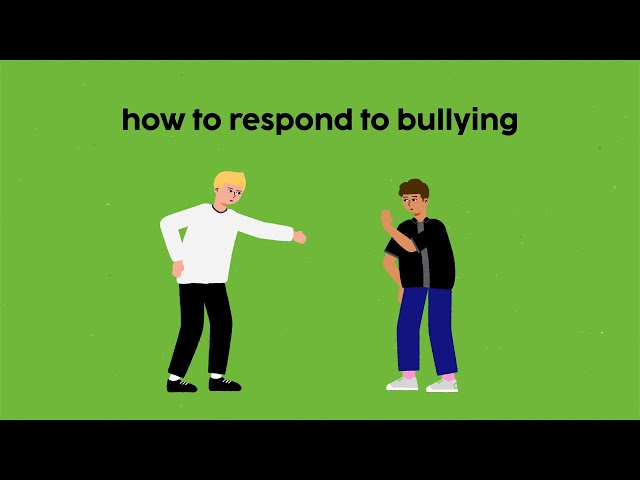
What are the different types of bullying?
Bullying can take different forms, including:
-
Verbal bullying – hurtful comments, name-calling, teasing, insults or threats.
-
Physical bullying – hurting someone physically, damaging their belongings or intimidating them through physical actions.
-
Social or relational bullying – excluding someone, spreading rumours, embarrassing them publicly or damaging their relationships with others.
-
Cyberbullying – using technology, social media, online gaming, messaging platforms or digital devices to intentionally hurt, threaten, embarrass or target someone. If you're experiencing bullying online, you might also find it helpful to read our resource on cyberbullying and online safety.
Bullying can also be done secretly, like doing or saying something behind someone’s back. This type of bullying can be harder to see, but it’s no less damaging.
Bullying is not OK. It’s not simply ‘a normal part of growing up’, and help is always available to make things better.
Unfortunately bullying is common. If you’re having problems with bullying, it’s important to build your supports and know you’re not alone. Building a support network of family, friends, Elders, staff from school, TAFE, uni or work and / or mental health professionals is important to get support and put a stop to bullying as quickly as possible.
Why does bullying happen?
There are many reasons why someone might use bullying behaviour. People who bully may have experienced bullying, trauma or violence themselves. It’s still important to remember though, this doesn’t make it OK. People might use bullying because they feel peer pressure, and are trying to feel more secure, more powerful, ‘look cool’ in front of others, or feel better about themselves. This may be their way of coping if they haven’t learnt healthier ways to cope or aren’t getting the support that they need. Bullying behaviour can also happen because of jealousy, lack of knowledge, fear or misunderstanding.
It’s important to know that bullying is very complex. A person might use bullying behaviour, be a bystander while bullying is occurring, and/or experience bullying. It can depend on who is around and what the situation is. Each of these different roles can have a negative impact on mental health and can make experiencing mental health problems more likely. Witnessing bullying can also be upsetting or stressful. Some bystanders may feel guilty, worried about getting involved, or unsure how to help, which can also affect their wellbeing.
What are the effects of bullying?
Anyone who has experienced bullying knows how upsetting it is. They might feel:
- alone
- unsafe
- afraid
- stressed
- humiliated
- angry
- ashamed
- rejected.
Sometimes a person might feel that there is no escape and may do things to ‘fit in’, like changing their appearance or acting differently. They may believe some of the awful things said about them, which can impact their sense of self. Sometimes they might want to hurt others, or themselves, because of it.
Being bullied can affect a person’s performance at school, uni, TAFE or work, and can continue to affect them throughout adulthood.
Experiencing bullying can also increase the risk that someone will develop depression and anxiety in the future, and it can increase the risk of self harm, suicidal thinking and suicide.
Bullying can be traumatic, especially when carried out or ignored by friends or peers, as having supportive relationships are really important in everyone’s life.
Young people report one of the worst parts of bullying is feeling like they’re going through it alone, which is why it’s so important to support anyone going through a tough time, or reaching out if you’re struggling yourself. Bullying can also affect a person's sense of belonging, identity and connection to others. For some young people, experiences of racism, homophobia, transphobia, ableism or other forms of discrimination can overlap with bullying and add to its impact. Culture, family, community, spirituality and connection to Country can be important sources of strength, support and healing for many young people experiencing bullying.
Being bullied can impact on many parts of our lives, but you’re not alone in this. There are things you can do and ways to get support.

What can you do about bullying?
If you're being bullied face-to-face, there are a few things that may help. Different approaches work for different situations, so it can be helpful to focus on what feels safest and most realistic for you.
Prioritise your safety and wellbeing. Being bullied can bring up strong emotions, including anger, fear, sadness or embarrassment. While staying calm may help in some situations, it's also okay if you're finding things difficult. Taking a moment to slow your breathing, ground yourself or check in with someone you trust may help.
Try not to respond with aggression if it can be avoided. Although it can be tempting to fight back, this can sometimes escalate the situation or place you at greater risk. If your safety is at risk, focus on protecting yourself, moving to a safe place and seeking support from a trusted person.
Create space where you can. If it's safe to do so, walking away, leaving the situation or spending time in places where you feel more supported can help reduce the immediate impact of the bullying.
Seek support from others. Some people find it helpful to have supportive people around them, but support can come from many places. This might be friends, family, trusted adults, teachers, Elders, mentors, colleagues or other people who help you feel safe and supported.
Let someone know what's happening. Bullying can be difficult to deal with alone. Reaching out to a trusted adult or support person can help you explore options and work out the next steps.
Know your rights and available supports. Schools, universities, TAFEs and workplaces often have policies and processes for responding to bullying. Learning about these options can help you understand what support is available and what action can be taken.
If you're being cyberbullied, check out Understanding cyberbullying.
If someone you know about is being bullied, you don't need to have all the answers. Often, listening, believing them and helping them access support can make a big difference.
Listen without judgement. Let them share as much or as little as they want to. Avoid pressuring them to talk, and try to focus on understanding their experience rather than immediately solving the problem.
Let them know they're not alone. Bullying can leave people feeling isolated or unsupported. Reassure them that what they're experiencing matters and that support is available.
Ask what support would be helpful. Everyone responds differently to bullying. Some people may want practical help, while others may simply want someone to listen. Try not to make assumptions about what they need.
Encourage them to seek support. If they feel comfortable, encourage them to talk with a trusted adult, teacher, family member, Elder, mentor, counsellor or another support person. You could offer to help them reach out or go with them if they'd like support.
Respect their choices while prioritising safety. It's important to involve them in decisions about what happens next wherever possible. However, if you're worried about their safety or wellbeing, you may need to seek support from a trusted adult. If you can, let them know what you're planning to do and why.
Check in regularly. Bullying can have ongoing effects on a person's wellbeing. A simple message, conversation or invitation to spend time together can help them feel supported and connected.
Look out for signs they may need extra support. If bullying is having a significant impact on their mental health, relationships, study, work or daily life, encourage them to seek professional support. A GP, headspace centre or eheadspace can be a good place to start.
Remember to look after yourself too. Supporting someone who is being bullied can be difficult and emotional. It can help to seek support for yourself if you're finding the situation stressful or worrying.
Try to remember, it’s unlikely that everyone agrees with the person bullying or is going along with them, even if they don’t say something to support you. They might be afraid of getting involved or could be ignoring the person bullying as a way of not joining in. It’s important that everyone feels comfortable standing up for one another in ways that won’t put them at risk.
Who is a bystander?
Someone who sees or knows about the bullying is called a bystander. It can feel difficult to know what to do when you witness bullying. While not everyone feels able to step in directly, bystanders can still play an important role by supporting the person affected, speaking up when it's safe, or seeking help from a trusted adult. There isn't one "right" way to respond. What matters most is considering your safety, avoiding actions that contribute to the bullying, and finding a way to support the person being targeted.
What can I do if I’m a bystander?
Try not to support the bullying by looking on and doing nothing, laughing at the person being bullied or by ‘liking’ or sharing hurtful photos or posts online.
If you feel safe, step in and speak up in an assertive but not an aggressive way. Show the person that you are there for them by spending time and chatting with them and helping them to walk away from the situation. Remind the person being bullied there is always help available.
It’s important to think carefully about your safety before you try to stop the bullying. If you can’t safely take action yourself, report it to a trusted adult and let them know you want to remain anonymous.

How can I get help?
If you or someone you know is needing support with bullying, reach out to someone you trust, such as a family member, friend, Elder, teacher, coach, mentor, counsellor or health professional and let them know what’s going on for you. Though it can be hard reaching out to others, it can help you feel supported and less isolated.
If you ever feel unable to cope because of intense emotions of if you have thoughts of harming yourself, then ask for help immediately
For immediate help contact triple zero (000) if it is an emergency
National 24/7 crisis services:
Lifeline: 13 11 14 or lifeline.org.au
Suicide Call Back Service: 1300 659 467 or suicidecallbackservice.org.au
Beyond Blue: 1300 224 636 or beyondblue.org.au
Additional youth support services:
headspace: find your nearest centre or contact eheadspace, our phone and online service (12-25 years)
ReachOut: reachout.com.au (under 25 years)
Kids Helpline: kidshelpline.com.au or 1800 55 1800 (5-25 years)
SANE Australia: sane.org or 1800 187 263 (18+ years)
The headspace Content Reference Group oversee and approve clinical resources made available on this website.
Last reviewed 8 December 2023
Australian Institute of Health and Welfare. (2022). Australian Children, Bullying.
https://www.aihw.gov.au/reports/children-youth/australias-children/contents/justice-safety/bullying
eSafety Commissioner. (n.d). Bullying online. eSafety Commissioner.
https://www.esafety.gov.au/young-people/cyberbullying
eSafety Commissioner. (2021). The digital lives of Aussie teens. eSafety Commissioner
https://www.esafety.gov.au/about-us/research/digital-lives-aussie-teens
Gaffney, H., Ttofi, M. M., & Farrington, D. P. (2021). Effectiveness of school‐based programs to reduce bullying perpetration and victimization: An updated systematic review and meta‐analysis. Campbell Systematic Reviews, 17(2). doi:10.1002/cl2.1143
https://onlinelibrary.wiley.com/doi/full/10.1002/cl2.1143
Halliday, S., Gregory, T., Taylor, A., Digenis, C., & Turnbull, D. (2021). The Impact of Bullying Victimization in Early Adolescence on Subsequent Psychosocial and Academic Outcomes across the Adolescent Period: A Systematic Review. Journal of School Violence, 20(3), 351–373. doi:10.1080/15388220.2021.1913598
https://www.tandfonline.com/doi/abs/10.1080/15388220.2021.1913598
headspace National youth Mental Health foundation. (2020). headspace National Youth Mental Health Survey. Retrieved from https://headspace.org.au/assets/Insights-experiences-of-cyberbullying-over-time-National-Youth-Mental-Health-Survey-2020.pdf
Hellström, L., & Adrian Lundberg A. (2020) Understanding bullying from young people’s perspectives: An exploratory study, Educational Research, 62:4, 414-433, DOI: 10.1080/00131881.2020.1821388
https://www.tandfonline.com/doi/full/10.1080/00131881.2020.1821388
Irteja, I., Fakir, Md., Yunus, FM., Salam, SS., Kabir, E., and Khanam, R. (2022b). Mental Health Services Use among Adolescent Bullying Victims in Australia: Results from a Nationwide Survey. Children and Youth Services Review 132 (January 2022b): 106312. https://doi.org/10.1016/j.childyouth.2021.106312.
Mubashir, M., and Thanveera, N. (2022). Locating Cyberbullying and Mental Health in the Recent Literature. Tripodos, no. 52 (November 18, 2022): 91–107. https://doi.org/10.51698/tripodos.2022.52p91-107.
Ng, E. D., Chua, J. Y. X., & Shorey, S. (2022). The Effectiveness of Educational Interventions on Traditional Bullying and Cyberbullying Among Adolescents: A Systematic Review and Meta-Analysis. Trauma, Violence, & Abuse, 23(1), 132-151.
https://doi.org/10.1177/1524838020933867
Vrijen, C., Wiertsema, M., Ackermans, M. A., van der Ploeg, R., & Kretschmer, T. (2021). Childhood and Adolescent Bullying Perpetration and Later Substance Use: A Meta-analysis. American Academy of Pediatrics, Volume 147(3), e2020034751.
Get professional support
If you feel you need help there are a range of ways we can support you.